00:00Lily Ray, you are one of the most well-known figures in search engine optimization, so thank you for coming on the podcast
00:07Thanks for having me
00:09I want to start with a question that a lot of people have been thinking about and talking about: are Google core updates, and have you seen any patterns across the last couple of updates? Yeah, I mean, there are often similar patterns with each core update, I would say
00:31I've been pretty focused on core updates for almost about 10 years now, so I've analyzed almost all of them
00:37You know, I think there are certain ones where Google is trying to do something specific
00:40Like during COVID, I think there was a lot of interesting movement with, like, Prioritizing more really high authority sites like government sites, things like that
00:50But generally speaking, I would say Google's trying to, you know, improve the relevancy of the results, the quality of the results, and reduce spam and overly optimized sites—like sites that are basically doing too much SEO
01:04I would say that's been the trend for a really long time
01:06Can you talk about what too much SEO means? I think that's something that a lot of people don't really understand
01:12Yeah, right? It's kind of a—it's a weird, counterintuitive thing when you work in the SEO industry, right? But I think that's why I talk about it so much, because I think understanding how to do SEO properly and for the long term is a lot
01:24about knowing what not to do as much as what you should be doing
01:26Um, you know, Google has all kinds of policies around basically doing things that are for search and not for humans
01:32Um, so, I think a lot of the times, as the SEO industry will identify, and now I guess the GEO industry will identify, some type of tactic that works really, really well
01:43And it definitely tricks Google's algorithms, right? And then it becomes really popularized, and a lot of people talk about it, a lot of people do it, a lot of people share it at conferences or on YouTube or whatever it is, and then you get thousands and millions of people doing the same thing
01:55And so, it's very easy for them to kind of reverse engineer that and say, we don't really want this
01:59A type of overly optimized SEO content in the search results, which I think we saw with the helpful content update
02:05So, some examples that come to mind are that it's almost always scaling content in some way
02:09You find some type of trick that works, and then you create tens of thousands of pages or whatever that do the same thing
02:15It's almost always that, something like that, yeah
02:20Actually, I have a question about programmatic SEO, and I want to know, is when is programmatic SEO not spam? Or is it always just, you know, it's kind of risky? It's always very risky, I would say
02:34And I think people love to debate about this because it's true that there are ways to do it properly
02:40Thoughtfully, um, and there are ways to do it where you're really bringing in a lot of original data, insights, and information that Google didn't have before
02:51But I really do think that they see it as, like, when you're trying to do something that's manipulative for SEO purposes, and you're creating a lot of content that isn't really adding a lot of original value
03:03So, for example, there are a lot of sites that create, like, area codes, with different area codes around the United States, right? And then they're trying to bring in all this different content dynamically and really just show a lot of ads, but in reality, Google doesn't need 50,000 pages about area codes, right? Especially now with AI
03:19Overviews, right? So, I think it's getting harder and harder to identify what those opportunities are, but I think there are plenty of examples of companies that have done it thoughtfully with original data and original information that usually can work
03:31However, more often than not, honestly, over time I see Google demoting a lot of these sites, even really big brands
03:39Yeah
03:40The key word there that a lot of people don't understand, and it's across all industries, is thoughtful
03:46If you actually try to make thoughtful content, you're going so much further than what a lot of other people are doing, and you're less likely to create something that would be deemed spammy
03:58Also, Unique content when it comes to programmatic SEO
04:02That's another thing I see all the time — a lot of people are just doing programmatic SEO, showing things that are already out there
04:12And it's, like you said, Google doesn’t need more of it; it’s already out there
04:19Yeah
04:26I want to talk about, I also want to go into GEO because you post a lot about agencies trying to get their brands cited more in large language models and then accidentally getting their sites nuked in Google and in LLMs
04:33So I think, uh, I mean, it's a fun question for me to ask, but definitely not for people to hear
04:40Well, I maybe for some people to hear
04:41What are some SEO disasters that… Are you seeing people trying to do generative engine optimization, trying to get cited more in LLMs? Yeah, and I think we're still really in the early days of this
04:56Um, so I think even though a lot of people are trying different things, it's working, and it's not necessarily the case that Google, Bing, or anybody has cracked down on it yet
05:06So I do think we're in the early days of spammy, manipulative tactics actually working pretty well
05:13We've seen this before, right? We've been through all kinds of eras of SEO where people find some type of loophole and it works extremely well
05:20Like, think about the years before the Penguin update or the years before the helpful content update
05:28Content update
05:35There were all kinds of things that worked really, really well until they didn't, right? So I think we're in that kind of phase right now, and I do think we're in the early days of Google, almost like collecting enough data on what people are doing because, you know, they need to get it right when they launch some type of countermeasure
05:42This is something we see with the March 24th core update, when they reduced what they call unhelpful content by 45%
05:51That was massive, but it took them a long time to create that
05:52So, anyway, some of the things I think people are doing— I think right now, there's a lot of people entering the space without SEO experience
06:00You know, there are a lot of people who are really excited about AI and GEO, and everything that's happening, and they’re looking for an opportunity to get in there, but they don't really understand the cyclical nature of SEO
06:09And so, I think mostly it’s about using AI to generate lots of content
06:15I would say that's, again, the main way that people are putting themselves into somewhat risky situations
06:21But there's also a lot of manipulative tactics
06:26I mean, I know you talked about my listicle article—about putting 300 articles on your website that call you the best company in all the different categories that you care about
06:35Yes, it works for AI search for a while, and it works on Google for a while, but then… Clearly identifying it and starting to nullify it
06:45So, I think again, we're in this early stage where many things work for GEO, but I wouldn't be surprised if I've been calling it like Google dropping an atomic bomb on all these search results in the next few months
06:51We'll see
06:57Actually, I heard a crazy rumor—it's a self-promotional listicle
07:03So, you wrote this mega awesome article on self-promotional listicles and how people are using them for GEO
07:13It was Glenn Allsopp of Ahrefs who previously detailed this in Ahrefs
07:16He put out an article like, "Look at all these companies that are using self-promotional listicles to game large language models." And then you..
07:23So, it was several weeks later when you put out this article, "Well, it doesn't really look like it's working that well anymore, and it could actually be hurting." And I actually just heard a rumor that self-promotional listicles are now actually hurting brands' visibility in large language models (LLMs)
07:43So, if you're, you're writing for people who don't know what a self-promotional listicle is, you're writing like a "Best X for Y" article, for example, "The Best Standing Desks for Offices," and you put yourself number one
07:54And I've heard rumors that, like, an LLM will be like, "Oh, yeah, this is a reputable brand, but I didn't include them in my recommendations because they had this suspicious article where they put themselves number one." And it, you know, it, you..
08:11LLMs don't know why they are recommending things, but it was interesting to hear that, and I was wondering if you've heard anything like that or if you think something like that could even happen
08:16100% I think it can happen
08:21You know, I think, again, like we're opening eyes
08:27A very young company and Anthropic and all these companies, right? And I think it took Google a really long time to create a web spam team, number one
08:35They didn't have one for a long time
08:36You know, they didn't have the Panda update or anything for a long time, or like Matt Cutts and, you know, just basically the web spam team
08:46I think we're in the early days of them even recognizing that this is a big problem, but it's clearly becoming a..
08:48Problem
08:50I mean, like everyone and their mother is talking about it
08:52But yes, to answer your question, yes, I've literally seen Claude in the last few weeks give me the exact same response, you know, when I asked about the best SEO agencies or whatever
09:01It was like, "Here's some SEO agencies, but I do want to let you know this is a very spammed category
09:07A lot of people are putting their own sites first, so I tried to use reputable third-party websites." I think we're going to see more and more of that
09:13I also think, with ChatGPT 5.4, like the new one, a lot of people are talking about how they're expanding out queries, they're using site searches
09:23So, they're basically honing down the expansion out queries to..
09:28To me, that seems like a good idea — let's stop allowing so many random sites to appear in citations and limit it to sites that we already trust
09:35Why do you think it is doing the site: domain search? Do you think it's like seeing a list of companies and then using "site:" to get more info directly from the companies it found in its initial search, or is it something else? Yeah, I mean, to be honest, I haven't dug too much into what those actual site searches look like yet
10:01It's still very early; I think it's only been a couple of days since they've been doing that
10:05But my theory is, okay, so if you want to look at..
10:09Reputable reviews about a business, you know, you can start by saying, "Let's only look at Trustpilot," let's only look at G2
10:16I mean, obviously, there's debates around whether or not those are trustworthy sites anyway, but assuming that we call those trustworthy sites, you can just say this is a predefined list of domains that tend to have the authoritative answer that I'm looking for, and I'm filtering out all the other people that might be doing some type of manipulative thing
10:31You know, if you're looking at travel recommendations, maybe you only look at TripAdvisor, Expedia, Booking.com, and Yelp, or whatever, right? So I think they might just be developing this, like, almost like a whitelisted, you know— A batch of domains for different questions
10:44That's my theory
10:46I mean, we'll see, but I wouldn't put it past them
10:48Yeah
10:49>> That's crazy
10:50I, when I saw that, because I looked at that screenshot, I think Chris Long shared it
10:54And it started with a normal search; I think it was like two normal searches, and then it started doing the site: colon ones
11:01And so I was just thinking maybe it's gathering sites from its first two searches, and then it proceeds accordingly
11:09I mean, it's possible, though
11:11I've heard other people say what you just mentioned, and that would be very, very insane
11:18Especially because there are so many sites out there, and it's like, how do you just cherry-pick a handful for..
11:23Give in to different topics
11:28I don't even know how you would approach that; that's such a mammoth thing to do, and the best sites are always changing
11:35Yeah
11:41I mean, I think it's naive of our industry to assume that OpenAI and these other companies will always just treat all sites the same, right? I mean, that's how Google got into trouble really early on, right? There's so much spam, so much manipulation
11:48And I think that they're figuring it out, with each model update, how to refine the results more and more
11:53So, I think this might be their first attempt at doing that
11:57Yeah, I 100% agree
12:01It's like, um, it's, I mean, you know, it's like they've been working on this for a couple of years
12:05And it's like they're just learning how to deal with spam
12:09And they have so many lessons from Google to take
12:13And, uh, yeah, they're going to improve a lot in terms of getting results
12:19If there is one thing that somebody should do after listening to this podcast to get their brand recommended in large language models, what would you actually suggest? Yeah, the thing about it is that there isn't, in my opinion, a sustainable shortcut, right? Like there isn't one quick trick, right? As you probably know, and people listening probably know, I've associated myself very strongly over the years with this concept of E-E-A-T
12:31Um, and for me, that's a very..
12:43There's a lot that goes into that
12:55But the fundamental nature of it is you want to become a human being, right? That is known in your industry
13:05And whether it's, you know, a handful of humans who are associated with a brand, right? Like different people who are contributors, influencers, and experts connected to a brand, the more you can have those real people building out a presence, and they're well known in the space, and they're putting out original ideas and original content, building a social profile, and building engagement, and putting out authentic content across YouTube, Reddit, LinkedIn, and all the different platforms where search engines and large language models are citing
13:15I think that's the most important strategy
13:25A sustainable way to have a presence
13:35You know, I think that both Google and Microsoft, and everybody, have been looking for a very long time at real human content
13:44And I think now, with AI content, of course, yes, there are many examples of AI content that's really great, but they seem to be prioritizing, over time, real humans having real conversations and real experts contributing content
13:58Which is why I think we see so much social media and user-generated content and everything over time because, at the end of the day, users like engaging with that content
14:05So, I think the best thing you can do is establish yourself as an expert in the space, put out your original ideas, and don't use AI to come..
14:14You should be able to demonstrate that you have your own original insights
14:17You can use AI to help write the content and everything, but the more you're just leaning on tools to do the thinking for you, I think the more that that's going to not work over time
14:27So, invest in, I guess, E-A-T, as I've always said
14:31Invest in—okay
14:33So, this method of marketing is so effective I had to make sure it wasn't against Google's rules before I kept doing it
14:39It's a form of SEO I call compact keywords, whereas most SEO focuses on putting up articles to answer questions like how, what, when, compact keywords focus on putting up dozens of pages that sell to searchers who are actually looking to buy
14:53These pages rank on..
14:56Google and convert so much better than normal that when I discovered this years ago, I couldn't believe this was allowed
15:01It's less work, too
15:03The average compact keywords page is only 415 words
15:06Compact Keywords is a 13-hour deep course on getting sales with SEO
15:12A customer recently said, "Each lesson is dense with information
15:17You're giving years' worth of experience boiled down into 15-to-30-minute lessons with no filler or fluff
15:24I feel like I'm gaining a new superpower." Compact Keywords is about setting up an SEO funnel that brings you sales for years and years and years
15:30It works with AI
15:34It's less work than traditional SEO and it makes way more money
15:39You can get it now at compactkeywords.com
15:40Back to the..
15:42Podcast
15:43This is an interesting question
15:45I'm sure you've thought about this one a lot
15:46How do you think Google judges E-A-T? Do you think it's a lot of external signals, or are they looking for direct things, or is it a huge mix? Yeah, it's a really complicated question, right? I think it's a really big mix of things
16:04You know, number one, they have the Knowledge Graph, right? They have an actual database of billions or hundreds of millions of different entities
16:14You know, when you search for somebody's name, if they're recognized in Google's Knowledge Graph, they're going to be able to tell you about that person, talk about them in AI Overviews, and link to their social profiles
16:21Profiles and links to the articles they've written
16:23You know, Google's done all types of SERP features over the years that highlight individual experts
16:27They've had author and article carousels directly in the SERPs that show different authors in various fields
16:35Now, in Google Discover, they have profile pages that highlight different contributors and everything like that
16:40They used to test showing your follower counts directly in the search results
16:45They have been testing so many different features over the years, but it's clear that they have a way of associating individual experts with brands and topics
16:54So, I feel like, you know— They don't necessarily want to tell us how they're doing it
16:59You know, I think that's why so many people debate about it, but like E-E-A-T is mentioned like a hundred plus times in Google's search quality guidelines
17:03It's very indirect
17:07It's not going to be some ranking factor that you can easily manipulate
17:11It's going to be like vibes, right? It's like >> yeah, something that they can kind of tell about your, you know, individual contributor, and also like the brand and the people that work at the brand
17:23It's just clear to me that they've been able to like kind of identify that and highlight and elevate that type of content over time
17:30When you do site audits, what are some common E-E-A-T mistakes that you see over..
17:35And over again? I think a lot of people try to fake it, right? You know, I think a lot of people look for shortcuts
17:40Um, you know, I've seen over the years, like Midjourney-generated author images, right? Um, and like yes, it can work for a while, but the whole idea is that it's not just about having an author name or whatever
17:56It's about having all of the different signals that cross the ecosystem that indicate you're a real person
18:00You know, I think, look at the SEO industry, for example
18:04If you look at any of the main prolific SEO contributors, right? You look on Google, they have all kinds of information about conferences they've spoken at, articles they've written, and videos they’ve created
18:15Done interviews that they've done, like, you can kind of extrapolate that for different industries, and yes, I do believe there are many, many categories where it doesn't matter as much
18:25Google's very clear about that, right? Like, you can be a puppy photographer, and maybe E-E-A-T is not that important, right? But when we're talking about finance, health, politics, news, safety, and things like this, yeah, they really want to get it right
18:39You know, they really want to make sure that they're highlighting authoritative content
18:41I mean, even for puppy photographers, you still want to have social profiles out
18:47It's still, it's still good if you have a page on your site that explains why you're a puppy
18:52Photographer, why who you are
18:55Like, and that's a thing that’s crazy to me, that a lot of people don't do that
19:00I actually, when I had Rand Fishkin on the show last year, something I said to him because he was the first person I started paying attention to when I was learning SEO, and I said I really loved his focus on doing broad marketing, general marketing, and how that actually benefits SEO
19:19I also think it's the same with increasing large language models, because if you're focusing on broad marketing, you're getting mentions in a lot of different places
19:25You're getting a lot of reviews
19:30If you're getting a bad review, you're trying to maybe work with that person and then..
19:36Them not hate you and then get better reviews and all sorts of things like that
19:40And I, I think of what happens, what you see in the SEO community is a lot, is people focusing on one specific external thing, for example, link building
19:48Instead of actually thinking, how do I do this in a way that is sustainable? I think, you know, I mean, I think, listen, like it's, it's hard
19:59I would say it's harder to, um, do it what I would consider to be the right way long-term, which is instead of focusing on buying links all day, focus on putting out one incredible piece of content, or one incredible asset, or one incredible LinkedIn post that gets a ton of engagement, or an article that you've written that gets a ton of..
20:16...of engagement because it's actually useful, it's actually helpful, it's actually controversial, whatever it is, and you're going to get a ton of links without doing anything
20:21Well, you did something
20:25You produced good content, right? But you don't have to artificially manufacture interest and popularity
20:30You can just get it by doing the hard work and producing quality content
20:35And I actually think right now, with AI, it's easier than ever to put out really interesting stuff
20:41I mean, I'm still working on it, but it's private
20:44Yesterday, I had Claude do this incredible analysis about something happening in the SEO space, and I visually coded a whole visualization of it
20:51And I'm like, if I..
20:53Publish this, it would get so many links
20:54You know what I mean? But it's like now it's an equal playing field where you just have to have the ideas, and the research and putting together the content is easier than ever
21:02I'm looking forward to making an episode on that
21:04We'll see
21:07Have to be careful about publishing that one
21:09>> [laughter] >> Oh, oh, that sounds spicy
21:12So, your favorite techniques for getting links, would you say? Is it linkable assets? Do you have other strategies you like to use? Expert quotes? Yeah, it's very case by case, depending on the client
21:26Over the years, my history in the space is I got hit really hard by Penguin when I was first..
21:32Starting in SEO, I literally had no idea that buying links on BlackHatWorld was against Google's guidelines
21:36I just had no idea; there was no one to teach me that
21:38I hadn't reached my point in my SEO journey where I actually knew that was against the guidelines, but I learned the hard way
21:47And so that always put me off paid link building, even though I know, obviously, many brands engage in it
21:55It's very much how the internet often works
21:59But my approach is always to do things that won't ever get clients in trouble, because Google's really good at this stuff
22:06They have spam brain, they're always updating it, and link spam is one of the biggest issues
22:11Violations of their policies over time
22:14So, I think I like to avoid putting my clients in hot water
22:16Um, so the more that we can, yeah, invest in, like, whether it's a survey or original content, original images, original videos, but really focusing on, like, yeah, I guess it’s a linkable asset
22:28Um, something that takes a lot of time and effort to build and kind of earns links because it’s naturally important
22:32And then you can do outreach with that content, right? That’s not against the guidelines to try to earn links to something that you’ve built
22:39Yeah, and honestly, people underestimate the results that you can get when you actually let a brand compound and you don’t do dodgy things—that can actually improve your rankings
22:43Hit
22:48Like, people really don't get it
22:52It's really crazy
22:54But it's like, "Oh, it takes a little." It is tougher, though, for the agencies who have to, or maybe they just have to get results fast for their clients
23:05Yeah
23:06Yeah, I mean, that's—I’ve worked in agencies for 13 years, right? I totally get it
23:10I think the main thing with agencies is education
23:12You know, it's having those conversations upfront
23:14So, there are many companies who want to see really dramatic results from SEO in two months, and you're not always going to see that
23:23And so, a lot of it is like having these conversations early, where it's setting expectations and saying, "Listen, we want you to grow over the next five to ten..." We don't want to do something dodgy that's going to screw up your website because I'm sure you've seen it before, but when you do drive dramatic SEO growth in two to three months, you often crash, and then it's very, very, very difficult to recover for a very long time
23:46It could take years
23:49Yeah, yeah
23:53And when you actually let the brand compound and build up, you're creating a very solid authority profile
23:57I don't even want to call it domain authority or brand authority or any of these things
24:00It's just like, you know, this is an authoritative brand
24:02When you do that, you're actually able to get those wins
24:06There are some big brands out there that have massive topical authority
24:10They just don't know how to find the right keywords, and then they think, "It's like you can find these keywords and then rank high for them within hours." And those are the extreme cases, and those are the types of wins they want to get, and they can get them because they let the brand compound
24:24I think it's similar to how Forbes could rank for anything
24:25And it's like, "Well, it's an aged brand." And yeah, it's maybe not the best example because they have done a lot of dodgy things
24:35I don't know, maybe it's not
24:36Yeah
24:38I mean, I've seen it on my personal site
24:40I've seen it on our agency site, Amped Surf
24:44We're not very big, authoritative sites
24:46We're not Forbes, right? But because I..
24:48I would say both of those domains, just using those as examples, have only ever really done what I would consider to be high-quality work or natural kind of link building because of earned publicity or putting out good content
25:04I see it where we can—I don't want to say we can rank for anything, but we do rank really fast when we put out an article and get cited in LLMs within hours
25:14So for me, that's the approach: build an authoritative asset where search engines and also LLMs trust you enough to say, we know that the content being put out on that website is good, and so we're going to reward it very quickly
25:27When you work with clients, do you ever get a client that's doing all the SEO...? Fundamentals are correct, and it's like, okay, so now we actually have to do offensive SEO
25:34What do we do? And yeah, if you do get clients like that, what do you tell them to do in terms of offensive SEO? They already have the defensive fundamentals down
25:46Mhm
25:48Well, what do you mean by offensive? Offensive as in they fix the common mistakes that lots of people are making, the mistakes that we were just speaking about
25:56And it's like, where do we go from here? Yeah
26:02Yeah, definitely
26:08I mean, I think there are clients in super competitive categories where that can be really tricky, and I know it's tempting to try to do something really crazy in those situations, right? Um, you're going to get..
26:14Different answers from different SEOs
26:14Obviously, I'm much more risk-averse than most SEOs, just because I work with so many companies that have been burned, right? So that totally changes my perspective
26:23But I think in those cases, yes, it's going to come back to some type of content and social strategy, where it's like, you know, I worked with a finance company or a credit card comparison site, which put out original content based on survey data, you know, about topics that are relevant to their niche
26:44It's not exactly what they focus on, but it's things their audience would want to know, like statistics they would find useful
26:48And those articles tend to perform really well and generate a lot of traffic
26:51Press
26:54You know, they get mentioned in the news, they get a lot of really great links, they get talked about on social media
26:58There's also Google Discover
26:59There's some types of content that I help companies with to get more visibility in Discover
27:02I think all of that shows that the brand has a pulse and that they're creating really interesting content
27:07I think that pays off with SEO
27:09 Yeah, by the way, I'm the same
27:11I commonly get the criticism that I am too risk-averse
27:14And for me, it's like I said, I know what happens when you let the brand compound
27:19So, I'm very much the same way
27:21 What strategies do you suggest for Google Discover? Yeah, that's actually one that I focus on
27:29I have specialized in this since I would say 2018 or 2019 when Discover came out
27:34But I don't necessarily talk about the tactics as much publicly, at least
27:40Sometimes I talk about it in private conferences and things, just because I know how these things go with Google
27:44Number one, they are watching what I tweet and what I post
27:47>> [laughter] >> Not just me, but many people
27:49You know, if I were to share what works in Discover, it would get shut down in a month
27:53So, but the reality is, at least for the last few years, Google Discover has been much easier to manipulate and influence than SEO
28:00Um, you know, I think — yeah, I think a lot of it is driving click-through rate, right? And they'll tell you that the Google Discover guidelines say
28:12Don't have clickbait, you know, don't have misleading headlines
28:14And it's true, when you overdo it, you can get manual actions and things
28:18But the reality is, the stuff that works in Discover is tabloids, tabloid-type content
28:22You know, it's trending more and more towards social posts and things
28:29I think they're trying to improve the quality of Discover, but over the years, there have been ways to write your headlines that leave out little bits of information and entice the user to click
28:38And then there are ways to optimize the featured image so that people are really engaged, such as using a lot of human faces, close-ups of faces, popular celebrities, and similar elements
28:45There are a lot of kind of tricks that you..
28:49You can do this in Discover, but just be careful because it's one of those things where, if you overdo it and it's working too well, they will shut you down
28:56 >> Really? Yeah
28:57I mean, in Discover, you can lose all your traffic forever if you go to Discover with bad practices
29:02 They shut you down if you're doing things like that
29:03 Oh, wait, you mean if it's too clickbaity, as in you're not actually delivering on your promises and over-promising? Yeah, exactly
29:06Some clear examples are manual actions that come from Discover, such as spam within the Movie category
29:16 For example, if you publish a lot of articles asking, "When is the next MCU movie or TV show coming out?" or similar content
29:22Like, something like find out when it's coming out, and then you don't say in the article when it's coming out, or you say it in like the 10th paragraph and then you say, "Sometime in summer of next year." I think they have systems that actually look for the date, like the actual explicit date on the page
29:41Um, so it's a lot of that kind of misleading stuff that's just traditional clickbait
29:46If you go too hard in that direction, they will either penalize your site or you'll lose a lot of traffic really fast
29:50How do you find a balance? This is always an interesting question
29:56How do you find a balance between making content that properly satisfies the SEO signals you want to satisfy, while also, you know, targeting the..
30:06Make sure to use keywords properly so that you are as relevant as possible
30:12I mean, I think, yeah, it's always about striking that balance, right? I think, you know, SEO from 10 or 15 years ago was just about putting the keyword in the relevant keywords and similar keywords in as many places as possible
30:25I think that's still true to a degree
30:27Like I wouldn't say, you know, don't put the keyword in the title tag
30:31You should still do that
30:35Um, there are still some fundamental SEO best practices that are true, but obviously Google's gotten a million times better at understanding language and semantics
30:38And so, I think there's a lot more freedom to just make sure that you're producing good content while also using, you know
30:46Keyword research tools and looking at query fan-outs and all these factors, and asking, "Am I really answering the question clearly and staying on topic on the page?" Um, I think there's a lot of interesting work people are doing now with AI search to ensure that paragraphs and chunks of content are kind of self-contained with the exact answer that an LLM or AI Overviews would be pulling in
31:08There’s also a lot of complex work with embeddings, cosine similarity, and other techniques to drill down and make sure that the paragraph itself contains the answer that's needed
31:19I'm a little skeptical of that approach because I think if..
31:22Everyone starts to do it too much
31:24Google's going to say this is skewed way too far from producing good content for humans
31:26So, there's that—they're striking a balance
31:27I think of good SEO as, "Yeah, if I gave this to the average person, they would read it and have a really good experience, and they wouldn't feel like you're just repeating the same keywords over and over." You're doing things specifically for SEO while also making sure that you're writing clearly and concisely, and you're getting the message across without being too vague or too ambiguous
31:45Yeah, I've made episodes on how the stuff you just described is, like, overly technical when it doesn't need to be
31:52Like, I think someone could even create a decent checklist of what good content is for a beginner coming into SEO
32:04And it's like, "Okay, will the searcher bounce? Is the searcher going to pogo stick on this? Is the searcher going to want to click in the first place? Is the searcher going to come to this page and feel like it is for them? Are they going to see AI-generated images and not trust them? Or are they going to see real images and think, 'Is this authentic?'" Yeah, I think things like that
32:22Um, I want to talk about the Helpful Content Update, because I actually want to get your take on it
32:29You've been one of the leading experts discussing the Helpful Content update, and I’d love to hear your thoughts
32:38And uh, so it wiped out so many publishers
32:41And I'd like to ask you, what are some takeaways that apply from the helpful content update to today in 2026? Yeah, and I will say that that update like broke my soul
32:56That was such a big one that like I really, and I don't think this is a secret
33:02I think Google went way too far
33:04Um, I think they hit a lot of sites in really, really dramatic ways that probably didn't deserve to lose 85, 95% of their visibility in Google Search and still to this day can't really get it back in many cases
33:16So, you know, what I learned about that and I think it actually probably explains a lot of my position right now is, you know, in 2022, before the helpful content update, I felt it coming
33:30Only Because, like, I've dealt with Penguin, Panda, Medic, and all these other big updates over the years
33:36I knew that this was going to get cracked down on
33:38There were a lot of sites that were using very, very similar approaches to SEO that were working really well, and we were also in the early days of AI-generated content
33:46So, there were some companies—I’m not going to name names—but companies that were allowing their clients to start experimenting with producing lots of content very quickly with AI, or optimizing content with AI, or using these very clickbaity titles where it's like, "10 things that do this and that," and then a little bracket that says, "You’ll never believe number..." Seven, right? Like everyone's doing that, and it's working really well
34:12It's definitely increasing click-through rates, driving a lot of SEO traffic
34:17But then you start to hear the backlash, where there are many publications like The Verge and others saying, "We hate SEO
34:22SEO's ruining Google
34:27We're having a really bad experience." When Google starts to face a lot of public pressure like that, claiming that the results are not good, they take very dramatic action
34:31I think we're in the early days of that with AI search right now, which is why I believe the listicles are the first clue
34:38But, you know, my big takeaway from the helpful content update is that even if you're doing something that does..
34:44Really, really well with SEO, and let's say it lasts six months
34:45When everyone else starts doing it, it becomes very popularized, and you start to have the average user say, "This is annoying, and it's ruining my experience on Google." Google takes countermeasures that are more aggressive than they need to, I think
34:56So, I feel like we're in that cycle again right now
35:00So, how about when everyone starts doing the same thing in SEO, but it's actually a good tactic that searchers like? Can you name an example? Um, okay, TLDRs are getting pretty popular
35:12So, putting up "Too Long; Didn't Read" summaries that literally give the answer right away to the target searcher at the top, and a lot more people are doing that
35:17They're..
35:22They're scaling AI content, and they’re even telling the AI to include the TLDR there
35:28If you scale the AI content, that's another conversation, but yeah, TLDR would be a good example
35:33I think that’s a really good example
35:36I do think it generally helps users, search engines, and large language models to have a TLDR
35:40So, I’m not going to sit here and say don’t do it, because if everyone starts doing it, it could become spammy
35:50I will say there are certain things like tables of contents, which I think are good for users
35:53I’ve recommended them to clients for a long time and use them in my own content when I have very long articles
36:00But, if you..
36:06Remember, Danny Sullivan from Google, like right after the helpful content update was launched, started making a laundry list of all these things that Google just kept seeing over and over, that was like, "You all are doing this
36:13It's everyone's kind of participating in the same thing for SEO, right?" And he actually listed table of contents as one of them
36:18So, it's almost like we can't have nice things because even if it is good for users, if it becomes this pattern that everyone's doing for SEO purposes and the whole internet becomes super homogeneous, then Google just says, "These are the patterns that we're seeing in these sites that are doing way too much for SEO, that have lost authenticity with users." Things can even eventually become a liability
36:37Do you think a table of contents still hurts articles or pages? I haven't stopped doing it
36:43You know, I think that's just one of many clues that search engines look for when they demote websites
36:49In my experience, especially now with AI search, where users like to jump to different parts of the page, I wouldn’t say not to do it
36:59If you're doing it all the time and it's really spammy and excessive, and maybe the article doesn't really need it, then maybe not
37:06But I think if it helps the user experience, then yeah, you should use one
37:11I've actually..
37:12I thought about experimenting with just doing anchors, just anchoring different parts of the page instead of doing a traditional table of contents, because I've seen the same thing
37:21Pages with the table of contents, even now in 2026, still don't seem to be working out as well
37:30What separates sites that grow during updates from those that collapse? Yeah, I mean, over the years, there have been so many sites that were poster children for good SEO two years earlier, and everyone's like, "Wow, they're so good at SEO." I'm thinking of some obvious examples that have crashed, right? And it's like I'm not going to name names, but just because something's working for a..
38:00Really long time, it doesn't mean it's always going to work
38:03And I really do believe, you know, like it or not, I think one of Google's biggest motivations with core updates is to demote SEO tactics that are working too well
38:10Even when we all agree, "Wow, they're doing SEO really well." If Google says, "This is too repetitive and too many people are emulating this strategy," they'll demote it
38:19So, I think, believe it or not, and this is something that SEOs don't like to hear, the best thing you can do in a core update is to be some type of site that's not doing SEO
38:28>> [laughter] >> Like a government site, right? Or, in some cases, like a forum, you know, with content that is raw, authentic, and helpful, and not overly optimized
38:38Really thinking about SEO
38:44Maybe they have good titles or whatever
38:50But, generally speaking, I see a lot of those types of companies, or not even companies, like organizations and institutions, you know, the CDC and the Mayo Clinic and this stuff, where it's just literally good content, not thinking about SEO
38:55But, I do think that you can kind of take that philosophy or approach and use it in your SEO strategy
39:01So, it's like a defensive SEO strategy
39:05It's like, how do I make it seem like, yeah, I'm addressing technical SEO, I'm addressing user experience, I'm addressing conversion rate optimization, but I'm not exploiting, you know, SEO tactics to try to drive as much traffic as possible
39:16It's physically possible
39:19I'm just trying to earn traffic for the topics that I'm very relevant for
39:21Yeah, yeah, yeah
39:23That's, um, and I'm glad that you mentioned titles because you have to
39:29There, we were again going back to that conversation, how do you balance between actually having good content but also having relevant enough content that it ranks? And, uh, yeah, because you still need to be relevant
39:39I also think what you just said speaks to why having a varied marketing mix is so important because that makes you more like a real brand rather than an SEO brand
39:53And if there are all of these different signals — if there are all of these signals that indicate during an update that this is a spammy..
40:01By doing lots of different types of marketing, you are probably less likely to fall into those signals because you have, even if it's a backlink profile, a more natural backlink profile
40:14Yeah
40:17For sites that do get hit, what is the first step that you take when a site loses like 70 to 80% of its traffic? Even if it's not during a core update
40:29If just a client comes to you and they're like, "We can't rank anymore
40:34We don't know what's happening
40:36We've lost so much organic traffic
40:38This is our Google Search Console
40:39Why does it look like this, Lily? What should we do? What should we do? What should we do?" Story of my life
40:45Um, yeah, and listen, you can lose a lot of traffic really fast outside
40:49Of a core update, um, for just different reasons
40:51And, you know, listen, yes, sometimes it can be explained by you accidentally no-indexing half the site, accidentally blocking something with robots.txt, or your JavaScript not rendering, so search engines can't see any of the content
41:03Like, the stuff you want it to see, right? >> [laughter] >> Something that's actually fixable, the technical problem
41:08Like, that's the dream
41:10So, you have to rule those out
41:12And, obviously, if it's one of those things, hopefully it's one of those things, and you can get back in Google's good graces pretty fast
41:17I've seen a lot of examples recently where a site, like big brands, they lose all their traffic in two days
41:21It's like you go to the site and they, you know, it's like under construction or something
41:25Like, well, yeah, of course you're going to lose all your traffic
41:28But, you know, if it's not that, and more often than not, it's not that
41:31You have to start to reverse engineer what it is
41:35And I really recommend working with someone who knows what those patterns are, because I would say, "Listen, there's all kinds of SEOs out there with all types of skills." Not every SEO has the skill to understand what gets sites in trouble during core updates or outside of core updates
41:52There are certain SEOs focused on that
41:54You know, I think you look, look at that—like Marie Haynes, Glenn Gabe—there's a lot of people
41:57Look at that
41:58Not every SEO does that, and that's fine
42:00You know, lots of SEOs only work on e-commerce, lots of them only work on news, or whatever
42:04But a lot of people actually focus on core updates
42:07So, I suggest trying to work with someone who specializes in that because they've seen the patterns over and over
42:10I would say I'm able to spot the patterns pretty often with many of these sites
42:14It almost always comes down to some shady SEO tactic they did, whether it's within the last year or sometimes two years ago
42:21I often ask them who they worked with for SEO
42:26A lot of times, they'll tell me, you know, we worked with four different agencies or four different consultants, and these guys built all these pages, and then these guys deleted them
42:32And these guys built all these pages, so you have to kind of start with the history of what happened
42:37When you crawl the website, you can often see those patterns anyway, but there's usually, I think of them as like—I don't want to say like a cancer on the site, but like something on the site that's a problem, or maybe a few different things that are the problem, and you have to start by removing those
42:55But it's not only just removing those
42:57Now I would say it's harder than ever to recover on Google
43:02So, it's not only removing it, it's also showing signals that you are a good brand that's contributing a lot of good content as well
43:07I think your analogy is pretty good, because it really does seem like— That, uh, for there's a lot of people who are newer in SEO who listen to this podcast, and I'm sure that some of these new people have gotten clients like this and they feel overwhelmed
43:22What would you recommend to them in terms of how they should start if they, or if you're a business yourself and you just saw a drop? But yeah, especially to the newer SEOs who might have gotten clients like this
43:37Yeah, there's a lot of really great content out there about what to do when you see a big traffic drop
43:41Aleyda Solís comes to mind
43:44I think she's written about that quite a bit
43:47But I would honestly say Glenn Gabe, someone I talk to pretty much every day, you know, we're very aligned with
43:51SEO stuff
43:55He's written all types of amazing content over the years about what to do when getting hit by algorithm updates, penalties, manual actions, and everything
43:59He has a lot of really good insights
44:01But I think, yeah, focusing on Google Search quality guidelines, especially the helpful content update guidelines, is important
44:09Like you mentioned before, having a checklist that people should use to see if their content is high quality
44:15Google literally provides such a checklist, and they've had it for a long time
44:17Many people just don't use it
44:20But you have to go through all the content and measure it against that criteria that Google has
44:23That's a really good place to start
44:25When my team works on core update recovery, we..
44:29You should literally use that checklist, and you want to be as unbiased as possible
44:31One thing that you'll always hear from companies hit by core updates — I'm sure you've heard this — is that they were doing everything right and their content is really good
44:42We have the best content in this space
44:43Like, really? Not so sure about that
44:44Yeah, all the time
44:46 I think using the available content to understand why sites get hit, and what I need to do to recover, is essential
44:55Start by internalizing that information
44:57Where is the checklist? I'm sure a lot of people want that
45:01Yeah, it's, um, I believe it's Google's helpful content criteria or guidelines, which includes a questionnaire
45:06They have about 30 or 40 questions that you should ask when you're considering if your content is helpful
45:13That's awesome
45:20I actually just put out a podcast that was released a few hours ago, and it's about how Google literally recommends linking out in articles, like citing sources
45:27And it's been that way for years
45:29It's part of E-E-A-T
45:33For us, it probably seems like a no-brainer—of course, you should cite your sources
45:38I don't know, Google is still helpful, but I feel like during the Matt Cutts days, they were really good at explaining things
45:52And well, yeah, the industry unfortunately kind of screwed itself because, you know, Danny..
45:58Sullivan stepped away from being a liaison last year, and we're feeling it now
46:03We're definitely feeling it now
46:09You know, they're less communicative with the public, and I think that the cast of characters communicating from Google right now, if at all, are much more vague
46:14They're much more focused on AI, and they're not as engaged with the search community
46:20But, if you remember, after the helpful content update, there were a lot of very angry people, and I think Google just took a step back from talking to us at all, which doesn't help
46:29There's a theory that a bunch of SEOs have, which is that Google is less focused on SEO spam, and their engineers are all working on AI stuff
46:37What do you think of? That theory? With that
46:43Yeah, I would agree with that
46:46I think, um, we've seen over the last few years, it's pretty obvious
46:48You know, Google declared a code red after ChatGPT came out, and I feel like ever since that code red, it feels like all the resources that Google shifted towards AI
46:56You know, it's like everyone's probably working on Gemini and AI Overviews and everything, and they're hiring all kinds of roles for AI Mode and AI Overviews
47:04I think that's true
47:05Um, but, you know, I also think it can't go on forever
47:07You know, Google can't just say, "Alright, screw it
47:12We're just going to let spam rank for everything." I think they're probably working on something behind the scenes
47:15Do you think, uh, do you think AI? Will AI mode become the default anytime soon? Not 100%
47:21You know, it's not going to be like when you go to Google Search; it'll be AI mode in the next, let's call it six months
47:26I don't think that's going to happen
47:30I think they're trying all kinds of things to push users towards AI mode more and more
47:35They're also trying different types of formats, like Web Guide, that are a mix of traditional search results with AI features
47:41I think it'll land somewhere with that, because there's no chance they can be profitable with everything being AI mode in its current form
47:49Think about how many sponsored links there are on Google right now and how much they look like organic links
47:58The fact that they need to put thick Ads above the fold that literally look identical to organic links tell me that that's how they make money, right? You're not going to be able to do that in AI mode
48:09AI mode doesn't have that layout, you know? I think they're starting to experiment with putting ads in AI mode, but until they're literally able to replicate the amount of ad revenue they're getting from search right now in AI mode, they're not going to fully switch over to AI mode
48:22It's going to be some type of blended experience
48:24Do you ever think about what SEO will look like in 3 years, 5 years, even 10 years? For sure
48:30I mean, I think right now, Claude, in particular, is the one that's scaring me the most right now
48:36You know, Claude's ability to do..
48:38Analysis is like, "Wow, okay." It just in the last two months has gotten so much better
48:43Um, so I think, yeah, I think it's, you know, we all have much more advanced tools at our disposal to do really, really smart stuff with SEO, and I think it's going to become more and more competitive
48:55You have to be more and more creative, but you know, I do think you— you hear a lot of people say this— as long as people are searching, there's going to be some type of SEO needed, even if that's just, like, personal branding and branding guidance in the search results
49:08You know, you're still going to need to set up your Google Business Profile
49:16You're still going to need to input a lot of that data into the system
49:20I think there are ways to always optimize that
49:20I have to ask, what sort of things are you seeing or using Claude for? Everything
49:26Over the last month or two, I switched from just using AI for various tasks to now, with Claude Co-Write and Claude Code, connecting it to different SEO tools and data sources like Google Search Console and Google Analytics
49:43I talk to Claude about my data, about the performance of different sites over time
49:48I use the Ahrefs API for a lot of things, and I'm able to do more large-scale analysis of SEO trends much more quickly now
50:00You would laugh if you saw my setup—I’m in Argentina right now, but I have..
50:04Like my regular work computer, I have a client work computer over here, and then I have my MacBook over here with Claude, and I'm literally going between the three all day, every day
50:13But it's like Claude's always doing something in the background because whatever questions I have in the SEO space, it can help me answer them now, which is amazing because it's like you're supercharged
50:22You can just do so much, understand so many more things so quickly, especially with Claude Co-Write
50:25Yeah, I use it even when I'm making the show sometimes
50:28I'll get some interesting breakdown that I want to report on, and there's a paragraph that I think is written really poorly, and I'll just take that, I'll..
50:38I'll give it to ChatGPT, I'll give it to Claude, and I'll say, "What does this mean? I don't even understand." It's bulleted out perfectly
50:42Are there any SEO content tasks that you would consider automating? Or, in general, with SEO, what would you consider actually automating? Because, you know, there are people who try to automate everything, and others who say, "I'm not going to automate anything." I'm curious what Lily Ray thinks
51:04I believe there are many parts of the process that you can automate internally with your team or with whoever you're working with, such as, for example, keyword research or topic research or reporting
51:09Data analysis
51:14There's a lot of stuff that can be automated
51:19Where I draw the line still is hitting the publish button, right? Like letting, um, the automation say, "Okay, we're going to update a thousand of your articles every month to get that recent date, that date modified in the search results, and use AI to find the latest and greatest thing and automate that." Because again, when you look at Google's policies, this is a new version or an evolution of spam tactics that have been against their guidelines for 20 years
51:46Right? They've had artificial refreshing as something that they've looked at forever, long before AI
51:55So, there's a lot of people that are very excited about using AI for things, but the..
52:00The reality is, just because you can do it in a more sophisticated way doesn't mean it's not against their guidelines
52:03It's still against their guidelines
52:07So, I think if you're going to update content, it really needs to be something unique, original, and meaningful
52:10I also believe that they can tell when you're doing things with AI for search that aren't done with a lot of human oversight
52:17And I think they're going to get better and better at demoting that
52:21Honestly, we're seeing that already
52:25I know you and I, we’re in a group chat where we talk about this stuff
52:29A lot of sites are using these tactics to, like, 'Oh, we can use AI to automatically generate or produce...' A lot of content
52:34Even if it's very good content, it seems like Google has some switch where they say, "This is not going to work anymore." Yeah, that group chat is fun
52:41It's like, we basically share different people on X who are like, "Yeah, I had this client
52:46Look at the massive spike in traffic I achieved by doing this spam GEO tactic." And then in the chat, we're like, "All right, it's two months out
52:57We're going to see it all collapse." And it always happens
53:02It always happens
53:07I feel almost bad because there are a lot of case studies out there right now that talk about how amazing things are, and then when you share the name of the site, it's like, of course, people are going to..
53:11Look at what happened in three weeks later, and they’re not going to talk about the fact that it crashed back down to zero
53:15>> But it happens a lot
53:16Yeah
53:18Um, back to back recoveries—this is actually an interesting question
53:19How long should a site realistically expect to wait for a recovery after making major improvements? It’s a good question, and it’s a question I hate answering right now because, sorry—no, it’s fine
53:32I mean, I think there was one example
53:34Listen, I think it is possible within 3 to 6 months, but it’s rare
53:40You know, there’s one example that my team and I worked on in 2018 during the Medic update
53:45We actually won an award for this, like the best SEO campaign in the health space or something
53:50And the client at First, they didn't even agree with our approach
53:52And they actually stopped working with us because their site was burned so badly before that they were like, "You know what? This is going to take too long
54:04It's going to take too much hard work
54:07I don't want to do it." So we're like, "Okay, sorry," you know
54:08Then they came back, I think three to six months later, and literally wrote a letter, saying, "We're really sorry
54:15We understand now
54:21We want to do things right." They rebuilt the website, redirected many pages to better versions, got rid of lots and lots of content, completely upgraded everything
54:28And about, actually, as soon as they launched the site, about a month later, they..
54:34Actually, it came back to where they were before
54:37So that whole process was about, was about a year
54:39So I think you're looking at about a year in many cases, but right now I would say that Google is becoming even more strict
54:45Like, if you look at the helpful content update, it took some sites two years
54:49So, you know, I tell people six months, but in reality, it's often more like a year or even two years
54:53When you're looking at a site, especially one that has bloat, when do you prioritize getting rid of bloat before going after new opportunities in search? I think getting rid of bloat should always be the first priority
55:10I think bloat is a liability
55:12If you think about Google's perspective and their goals, right? I think, at one point, I think it was like 2019, Google said that 50% of the sites they crawl are like spam
55:24Think about how much crawling they're doing and how much spam that is, right? So, their incentive is to get rid of spam and to elevate really good content
55:36If you're producing lots and lots of content and that content's not great, they're going to try to get rid of it really fast, right? So, I think that's why I'm very conservative now with my approach to SEO
55:45If you have anything that could be considered like bloat or even like spam, even if you don’t think it's spam, they might think it's spam
55:51So, I am very much of the mindset right now that less is more in SEO
55:56So, if you have something like that that could be..
55:58Dragging down the quality of your site, you want to address that before you start creating a lot of new content
56:02Yeah
56:06This is kind of a redundant question, but I like how this one is phrased because it's especially about SEO tactics that people don't talk about
56:09So, are there any SEO tactics that still work incredibly well, but just like you never hear people sharing? If they did, it works so well, why aren't more people sharing this? Internal linking
56:15Right? >> Yeah
56:21Oh, yeah
56:26>> Um, the funny thing is, internal linking is something you can just do forever, right? It's like things that help search engines and users simultaneously to navigate your site
56:32Conversion rate optimization, right? Um, yeah
56:39Yeah
56:45Like there's no harm in putting much more, I don’t even want to say EEAT content because it's not right, but more information about your authors, your brand, your expertise, your awards, and all that
56:52None of that can hurt, right? So, I think investing in providing a better experience and more trust signals always helps
56:58Yeah, and from an SEO perspective, when you're satisfying search intent, searchers aren't pogo-sticking
57:04That’s a major signal
57:06For sure
57:08Yeah, [clears throat], this is a really, really hard question
57:10I’m sure you’ve thought about it
57:14Are affiliate websites still viable long-term? That’s definitely a hard question
57:16Um, and I..
57:18I speak about it
57:19I actually spoke at an affiliate conference in January, and I'm about to speak at one in March or April as well
57:29It's probably one of the hardest spaces in SEO right now, and one of the ones that, for better or worse, Google has really cracked down on, for obvious reasons
57:37I think a lot of people have figured out that you can make a lot of money really fast with product review content
57:44So, Google had to crack down on product review content very hard, including many sites that probably didn't deserve to get hit that hard
57:48There are a very small handful of sites that I would consider to be doing it right, and they are not 100% immune from updates
57:58Sometimes Google does review updates, where even good sites see declines, and then they come back with the next update
58:03So I think Google's always trying to get it right, but there, if you really do approach it in the way that Google also recommends—since they have guidelines around review content—if you read those guidelines and meet the criteria and don't fake it, right? When Google says you need to show evidence that you tried the products and tested the products, that's not like going into Claude and telling Claude to create fake evidence
58:25No, you have to show evidence, like taking pictures and videos, and everything
58:31If you can really approach it with that mindset..
58:33Like, hey, I love running shoes and I love running, and I want to make a hobby blog that literally shows me buying and trying the shoes, talking about my experience
58:40I think there's a world in which that can still work, but most people don't want to do that level of work
58:47Yeah
58:55Well, actually, this brings me to—I have three questions left, and what you just said brings me to the next question, which is, what are areas in SEO and GEO where people just really lack common sense? Well, right now with GEO, I don't know if it's common sense
59:02I think it's lack of experience
59:07So I think a lot of people coming into the space right now, who are really excited about ranking in large language models, that to me is a really big area right now
59:18Where there's a lot of, again, I don't know if it's common sense, but just a lack of understanding of how things work
59:24Um, um, but yeah, I don't know if it's common sense
59:26I think most of this can be answered just by not having enough skin in the game and not enough history in the space, because all of us were young SEOs once, right? All of us came in there, and for me, I bought links on BlackHatWorld, and one day all my rankings disappeared
59:44I had no idea, right? So I think it's not a lack of common sense, it's just a lack of experience
59:50Well, I think there are some areas where it's a lack of common sense, like, for example, spam, unreviewed AI content on your site
59:55And some people do it, and..
59:56They do, they literally don't even know that there's a problem with it
01:00:06Or another example, just putting up a bunch of lazy but well-targeted content on your site, not thinking that there might be a site-wide quality score
01:00:14Of course, if searchers are pogo-sticking on every page, why is Google going to continue to trust you enough to show you for new pages that you publish? And yeah, I think people don't give Google enough credit for being as sophisticated as it is
01:00:32I think a lot of people enter the space and think they can get away with things, and they don't realize how easy it is for Google to detect what they're doing
01:00:37Yeah, that's what I'm saying
01:00:40Like, every, and what's crazy too, is..
01:00:43It's like, um, and I, I don't know, this might sound mean, but I'm going to say it anyway
01:00:47It's like the people who completely underestimate Google are also the ones who are least likely to be able to outsmart them
01:00:52And you know what I mean? Yeah
01:00:54I would never try to approach things by trying to outsmart Google
01:01:00I mean, I know different people do different things, but if you care about the long-term health of your site, I wouldn't try that
01:01:06If you're willing to crash your site because things work for three months and then it crashes, then go for it, you know? Different approaches
01:01:13>> And, and, and silo properties, silo domains in Google Search Console
01:01:16But it's, but it's the new SEO approach
01:01:16There are, there are..
01:01:19Sophisticated SEOs who are like, "Yeah, yeah, Google's asleep and we can do this." And it— but actually, to your point, they are siloing Google Search Console
01:01:27They know that they're churning and burning, and they completely know what they're doing
01:01:31All right, two questions left
01:01:35What advice would you give to somebody starting SEO in 2026? Mhm
01:01:39Well, you have to learn all the rules, right? I know that AI can do a lot of the thinking for you now, but I think the thing that will differentiate people who do SEO well from anyone else is that they can open up Claude and ChatGPT and ask it what SEO is, right? Like you, me, I’ve spent years— years— watching all the Whiteboard Friday videos of..
01:02:01Rand Fishkin and going to all the SEO conferences and asking all the questions and learning from all types of different people
01:02:11Like, you have to put in the work, right? Just because it's not necessarily like a college course that you can take or a degree that you can have doesn't mean you don't have to spend years mastering the craft, right? So, I think start— I always say start with Google's own documentation
01:02:23Google has the Search Central documentation
01:02:25Read that, learn that
01:02:29And there are a lot of other really good courses out there
01:02:32Even Moz has really good information
01:02:35I think, as much as you might be tempted to use AI to do everything, having that knowledge will really help you in the long term
01:02:37Yeah
01:02:40All right, last question
01:02:43If you were starting a new site this month, this March, and Lily Ray is starting a brand new venture, what do you do to grow this new site? And I may or may not be doing exactly that, by the way
01:02:58You'll see
01:02:59Um, but yeah, uh, I think number one, I guess, like the E-A-T method—for me, you know, if I'm starting something and it's associated with me, I luckily have kind of that built-in authority
01:03:12But if you don't have that, start building it
01:03:13Um, you know, you have your podcast, you have a lot of things you're doing to create a name for yourself
01:03:18I think that you can extend that for any type of business
01:03:21So, it's like if you're a pest control company, you..
01:03:23I know, I talked about this in one of my EEAT talks a long time ago
01:03:28There was a guy who ran a pest control business, for whatever reason, and he's the face of the company
01:03:31He has a lot of expert content on the blog, and he has videos about how to remove pests from your house
01:03:38Think about how you can set yourself apart by providing a lot of expert advice and building a name for yourself as it relates to the brand
01:03:46But beyond that, it's about having really, really engaging, helpful tools, assets, or information on your site that you can't find elsewhere
01:03:51Yeah
01:03:56For me, it starts by doing marketing that actually gets referral traffic or direct visitors
01:04:01People are directly looking for the brand
01:04:05So, I actually started a new venture this month, too
01:04:10And, uh, how are we launching? We're launching on Product Hunt
01:04:12We're launching on BetaList
01:04:15We are crafting very tailored pitches to journalists
01:04:17We'll have a few pieces of SEO content on the site, just so, like, eventually, as we're building authority, it starts ranking
01:04:27But we are doing things where we want humans to see this as soon as possible and to actually grow into a trusted brand
01:04:33And when you do that, yeah, I mean, you can tell me, but I think that also grows SEO
01:04:41100%, all the brand signals and everything, and having search demand, search volume, all of that, leads to good SEO results
01:04:45Thank you
01:04:49Again, Lily Ray, thank you for coming on the podcast
01:04:53Thanks for having me, it was a lot of fun
01:04:55Everybody knows where they can find Lily Ray, but if you don't know, and this is somehow your first time hearing about the legend, hearing about Lily—uh, what are the top platforms? X, LinkedIn, Threads
01:05:06>> Yeah, well, um, it's kind of relevant to what we talked about today, but I’m very diversified across different platforms, so I tell people to Google my name and pick the platform of their choice
01:05:13Okay
01:05:19Uh, Lily, thank you again for coming on the show
01:05:25For everybody who watched this on YouTube, thank you so much for watching
01:05:31And for everybody who listened on Spotify or Apple Podcasts, thank you so much for listening
01:05:35Episode 987 of the Edward Show tonight
01:05:36Oh, yeah
01:05:38987 days in a row doing this podcast, and I will talk to you again tomorrow
01:05:46Bye now.
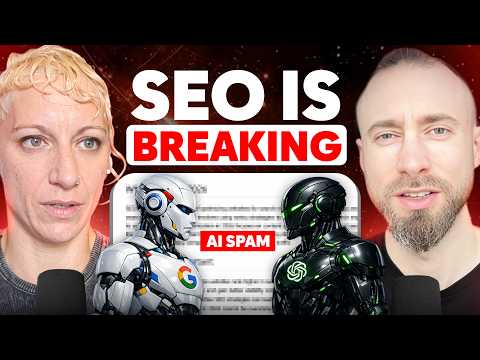

 As atualizações do Google frequentemente seguem padrões semelhantes, visando melhorar a relevância e a qualidade dos resultados de busca, enquanto reduzem spam e sites excessivamente otimizados.
 Para obter resultados sustentáveis em SEO e visibilidade em LLMs, é crucial focar no E-E-A-T (Experiência, Expertise, Autoridade e Confiabilidade), estabelecendo-se como um especialista humano e produzindo conteúdo original e valioso.