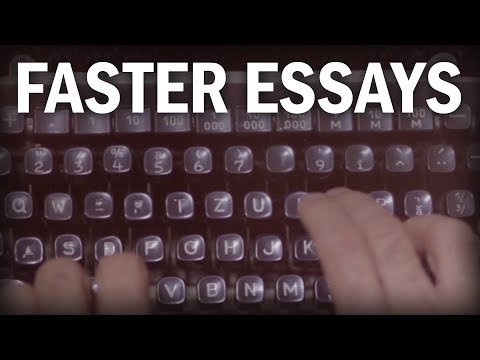

निबंध और शोध पत्र तेज़ी से कैसे लिखें
यह YouTube इनसाइट नोट LilysAI से बनाया गया है। मुफ्त में साइन अप करें और वीडियो से 10× तेज़ और गहरे इनसाइट्स पाएं।
Q: निबंध तेजी से कैसे लिखें?
आप कुशल अनुसंधान, सरल भाषा का प्रयोग और उद्धरण जनरेटर का उपयोग करके निबंध तेजी से लिख सकते हैं।
निबंध और शोध पत्र तेज़ी से कैसे लिखें? परफेक्शनिज़्म से बचें और ड्राफ्टिंग और एडिटिंग को अलग करें, क्योंकि यह आपको प्रवाह में आने और तेज़ी से लिखने में मदद करता है।
1. निबंध और शोध पत्रों को तेज़ी से लिखने के लिए युक्तियाँ
 निबंध और शोध पत्रों को तेज़ी से लिखने के लिए कुछ व्यावहारिक युक्तियाँ हैं जो गुणवत्ता से समझौता किए बिना प्रक्रिया को गति देने में मदद करती हैं।
1.1. शोध प्रक्रिया को सुव्यवस्थित करना
- शोध पुनरावर्तन सिंड्रोम से बचें
- शोध पत्र लिखते समय, स्रोतों को खोजने की प्रक्रिया सबसे अधिक समय लेने वाली हो सकती है, क्योंकि लोग हमेशा "बस एक और स्रोत" खोजने के अंतहीन चक्र में फंस जाते हैं।
- इसे "शोध पुनरावर्तन सिंड्रोम" कहा जाता है, जहाँ आप अंतहीन रूप से स्रोत के बाद स्रोत खोजने के लूप में फंस जाते हैं।
- इस सिंड्रोम के कारण, आप ऐसी जानकारी खोजने के लिए भटक सकते हैं जो अंततः आपके पेपर के लिए अप्रासंगिक हो।
- कुशल शोध एल्गोरिथम का पालन करें
- कैल न्यूपोर्ट ने अपनी पुस्तक हाउ टू बिकम ए स्ट्रेट-ए स्टूडेंट में इस समस्या से बचने के लिए एक प्रक्रिया बताई है।
- प्रक्रिया में ये चरण शामिल हैं:
- पहले, पुस्तकालय या इंटरनेट पर स्रोत खोजें।
- फिर, उनकी व्यक्तिगत प्रतियां बनाएं और उन प्रतियों पर नोट्स लिखें।
- अंत में, तय करें कि आपका काम पूरा हो गया है या नहीं; यदि नहीं, तो पहले चरण पर वापस जाएं।
- इस एल्गोरिथम को अधिक उपयोगी बनाने के लिए, सामान्य स्रोतों से शुरुआत करें, जैसे कि व्यापक इतिहास अवलोकन या लोकप्रिय विज्ञान पुस्तकें।
- ये स्रोत आसानी से मिल जाते हैं और आपके विषय के बारे में एक सामान्य विचार देते हैं।
- हालांकि वे विशिष्ट तर्कों के लिए उतने अच्छे नहीं होते हैं, लेकिन उनकी ग्रंथसूचियां अन्य कार्यों की ओर इशारा करती हैं।
- विशिष्ट स्रोत अधिक शक्तिशाली होते हैं लेकिन उन्हें ढूंढना मुश्किल होता है और वे आपको अप्रासंगिक विवरणों में उलझा सकते हैं।
- सामान्य स्रोतों से शुरुआत करके और फिर विशिष्ट स्रोतों तक पहुंचने से आपकी शोध प्रक्रिया बहुत कुशल हो जाएगी।
- स्रोतों की प्रतियां बनाना और पूर्णता का निर्धारण करना
- स्रोतों की प्रतियां बनाने का सबसे आसान तरीका अपने फोन से उनकी तस्वीरें लेना है, खासकर जब आप कॉफी शॉप में काम कर रहे हों और सभी किताबें साथ न ले जा सकें।
- यह तय करने के लिए कि आपने शोध पूरा कर लिया है या नहीं, न्यूपोर्ट के नियम का पालन करें:
- उन सभी तर्कों की सूची बनाएं जिन्हें आप अपने पेपर में प्रस्तुत करना चाहते हैं।
- निर्धारित करें कि कौन से तर्क महत्वपूर्ण हैं और कौन से केवल सहायक हैं।
- महत्वपूर्ण तर्कों के लिए कम से कम दो अच्छे स्रोतों का लक्ष्य रखें, जबकि सहायक तर्कों के लिए एक स्रोत पर्याप्त होगा।
- गुणवत्ता मात्रा से अधिक महत्वपूर्ण है
- स्रोतों और तर्कों की संख्या दोनों के लिए "गुणवत्ता मात्रा से अधिक महत्वपूर्ण है" के मंत्र को याद रखें।
- अच्छी तरह से संरचित और सोचे-समझे तर्कों की कम संख्या हमेशा औसत दर्जे के तर्कों की बड़ी संख्या से बेहतर होती है।
- एक औसत दर्जे का तर्क पूरे पेपर की गुणवत्ता को कम कर सकता है, भले ही अन्य तर्क अच्छे हों।
1.2. लेखन प्रक्रिया को गति देना
- सरल भाषा का प्रयोग करें
- लोग अक्सर बड़े और जटिल शब्दों का उपयोग करने के लिए प्रलोभित होते हैं, यह सोचकर कि यह उन्हें अधिक बुद्धिमान दिखाएगा।
- हालांकि, प्रिंसटन विश्वविद्यालय में एक अध्ययन से पता चला है कि अनावश्यक रूप से जटिल शब्दावली का उपयोग करने पर बुद्धिमत्ता की धारणा वास्तव में कम हो जाती है।
- निबंधों का उद्देश्य विचारों को स्पष्ट रूप से संप्रेषित करना है, इसलिए यदि आप इसे सरलता से नहीं कह सकते हैं, तो इस पर तब तक काम करते रहें जब तक आप ऐसा न कर सकें।
- सरल भाषा का उपयोग करने से लेखन प्रक्रिया तेज़ हो जाती है, क्योंकि आप स्वाभाविक रूप से सोचने और बोलने के तरीके से लिखते हैं।
- परफेक्शनिज़्म पर काबू पाएं
- जटिल शब्दावली का उपयोग करने का प्रलोभन लेखन प्रक्रिया को धीमा कर सकता है, लेकिन परफेक्शनिज़्म एक बड़ी बाधा है।
- जब आप खाली पेज या ब्लिंकिंग कर्सर को घूरते रहते हैं और कुछ भी नहीं सोच पाते हैं, तो परफेक्शनिज़्म इसका मुख्य कारण होता है।
- इससे निपटने के लिए, पहले अपने मुख्य पैराग्राफ लिखें और परिचय और निष्कर्ष को अंत के लिए बचा कर रखें।
- परिचय पहले लिखने की कोशिश करना एक ऐसी इमारत का दौरा कराने जैसा है जिसमें आप कभी गए ही नहीं हैं; आपको अपने सभी बिंदुओं की स्पष्ट समझ होनी चाहिए।
- इस क्रम में काम करने से लेखन के प्रवाह में आना आसान हो जाता है, क्योंकि आप जानते हैं कि आप बाद में संपादन करेंगे।
- ड्राफ्टिंग और संपादन को अलग करें
- ड्राफ्टिंग और संपादन चरणों को जितना संभव हो उतना अलग करना बहुत सहायक हो सकता है।
- आप प्रत्येक चरण के लिए अलग-अलग दिनों पर समय निर्धारित कर सकते हैं, अलग-अलग स्थानों का उपयोग कर सकते हैं, या ड्राफ्टिंग और संपादन के लिए अलग-अलग ऐप्स का भी उपयोग कर सकते हैं।
- उदाहरण के लिए, वीडियो स्क्रिप्ट के लिए, शोध और ड्राफ्टिंग एवरनोट में की जाती है, और फिर संपादन और अंतिम तैयारी के लिए गूगल डॉक्स में ले जाया जाता है।
- यह दृष्टिकोण दबाव को कम करता है, जिससे आप बिना किसी चिंता के विचार लिख सकते हैं।
- उद्धरण जनरेटर का उपयोग करें
- उद्धरण जनरेटर का उपयोग करने से ग्रंथसूची या संदर्भ पृष्ठ बनाने की प्रक्रिया बहुत तेज़ हो जाती है।
- ये उपकरण लगभग सभी मुफ्त होते हैं और आपको मैन्युअल रूप से शैली गाइड का संदर्भ लेने की आवश्यकता को समाप्त करते हैं।
- बिबमी और साइटेशन मशीन जैसी साइटें आपको स्रोतों का विवरण दर्ज करने और सभी फ़ॉर्मेटिंग को एल्गोरिदम पर छोड़ने की अनुमति देती हैं।
2. मूलभूत कौशल विकसित करना

निबंध लेखन प्रक्रिया को और भी तेज़ करने के लिए स्पष्ट रूप से सोचने और तर्कों को संरचित करने जैसे मूलभूत कौशल विकसित करना महत्वपूर्ण है।
2.1. मूलभूत कौशल का महत्व
- रणनीतियों से परे
- जबकि विशिष्ट युक्तियाँ लेखन प्रक्रिया को गति देने में मदद करती हैं, वे मूलभूत कौशल का विकल्प नहीं हैं।
- इन कौशलों में स्पष्ट रूप से सोचना, स्रोतों का गंभीर रूप से मूल्यांकन करना और तार्किक, अच्छी तरह से संरचित तर्क बनाना शामिल है।
- दीर्घकालिक लाभ
- इन कौशलों को विकसित करने में अधिक समय और प्रयास लगता है, लेकिन वे आपकी लेखन प्रक्रिया को और भी तेज़ कर देंगे।
- बेहतर सोचने से आप बेहतर लिखेंगे।
2.2. ब्रिलियंट.ओआरजी के साथ कौशल में सुधार
- ब्रिलियंट.ओआरजी के माध्यम से सीखना
- ब्रिलियंट.ओआरजी एक ऐसा मंच है जो आपको इन क्षेत्रों में अपने मूलभूत कौशल को बेहतर बनाने में मदद कर सकता है।
- यह गणित, विज्ञान और कंप्यूटर विज्ञान को पढ़ाने के लिए एक व्यावहारिक, चुनौती-आधारित दृष्टिकोण का उपयोग करता है।
- पाठ्यक्रम आपको सक्रिय रूप से समस्याओं को हल करने के लिए प्रेरित करते हैं, जिससे आप गंभीर रूप से सोचते हैं और अपनी क्षमताओं का विस्तार करते हैं।
- चाहे आप संभाव्यता सीख रहे हों, शास्त्रीय यांत्रिकी में गहराई से उतर रहे हों, या कंप्यूटर एल्गोरिदम को समझ रहे हों, आप अपनी सामान्य तर्क क्षमताओं में सुधार करेंगे।
- सामुदायिक समर्थन
- ब्रिलियंट में एक सक्रिय समुदाय भी है जहाँ लोग प्रश्न पूछ सकते हैं और उन समस्याओं पर प्रतिक्रिया प्राप्त कर सकते हैं जिन्हें वे हल करने की कोशिश कर रहे हैं।
- यह पाठ्यक्रम का पूरक है, क्योंकि जब आप फंस जाते हैं तो बाहरी दृष्टिकोण प्राप्त करना सहायक हो सकता है।
- प्रायोजन और लाभ
- ब्रिलियंट.ओआरजी इस वीडियो का प्रायोजक है, और पहले 200 साइन अप करने वालों को वार्षिक सदस्यता पर 20% की छूट मिलती है।
- यह मंच एसटीईएम शिक्षा को आगे बढ़ाने के लिए अपनी सेवा और प्रतिबद्धता के लिए प्रशंसित है।
असीमित सामग्री को जीनियस की तरह समझें — LilysAI के साथ
10,00,000+ ज्ञान‑खोजी Lilys AI का उपयोग करते हैं।
अपलोड किए स्रोतों पर आधारित AI चैट